All Saints’ Day
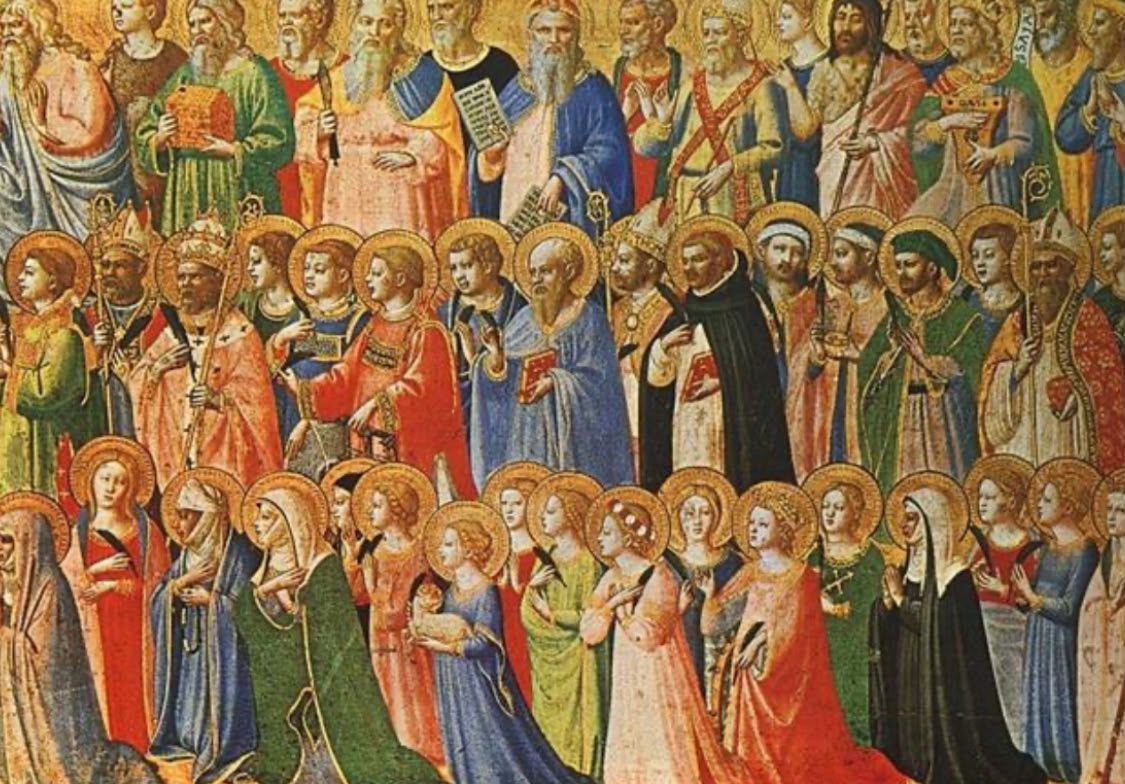
Every year, on November 1st, Italy celebrates All Saints’ Day, also known in Italian as Tutti i Santi. The word Ognissanti literally means “all saints” and comes from the Latin expression Omnes Sancti. It is a public holiday when many people get together with their families, attend religious celebrations or take advantage of the day off to visit a city of art.
But have you ever wondered why this holiday falls on the first day of November? And what does it have to do with Halloween and the day dedicated to the dead?
Let’s discover the origins and traditions of one of the most significant celebrations in the Italian calendar.
 What Is All Saints’ Day?
All Saints’ Day is a Christian celebration dedicated to all saints, not only those officially recognized by the Church, but also those who, according to Catholic tradition, enjoy the presence of God without being individually known or remembered.
The earliest Christian celebrations dedicated to groups of martyrs date back to the first centuries of Christianity. Initially, however, there was no single date for the celebration: different Christian communities observed it at different times of the year.
 The Origins: From Rome’s Pantheon to November 1st
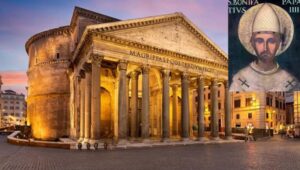
An important milestone in the history of this celebration dates back to 609 or 610 AD, when Pope Boniface IV dedicated the Pantheon in Rome to the Virgin Mary and all Christian martyrs. The ancient Roman temple, originally dedicated to pagan deities, thus became a Christian place of worship. The anniversary of this dedication was celebrated on May 13th. Over the centuries, the date changed. During the papacy of Gregory III, in the 8th century, November 1st became associated with the celebration of all saints in Rome. In 835, under Pope Gregory IV and Emperor Louis the Pious, the celebration was extended throughout the Carolingian Empire. From then on, November 1st gradually became established as All Saints’ Day in the Western Christian tradition.
 All Saints’ Day and Halloween: Is There a Connection?
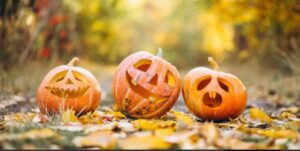
The eve of All Saints’ Day is known in English as All Hallows’ Eve, the expression from which the word Halloween derives. Halloween’s origins are often linked to Samhain, an ancient Celtic festival associated with the transition from summer to winter. In these traditions, autumn marked the end of the harvest season and, according to some interpretations, was symbolically connected with the relationship between the world of the living and the world of the dead. As Christianity spread, religious and popular traditions evolved and intertwined over the centuries. However, the direct historical connection between Samhain and the choice of the date for All Saints’ Day is not entirely certain. It is therefore more accurate to speak of possible influences and cultural overlaps.
Today, the two celebrations have different meanings. Halloween is mainly associated with costumes, parties and themed decorations, while All Saints’ Day retains its religious significance.
November 1st and November 2nd: What Is the Difference?
In Italy, All Saints’ Day is often associated with the following day, November 2nd, which is dedicated to the Commemoration of the Faithful Departed, also known as All Souls’ Day.
The two dates are close together, but they have distinct meanings:
November 1st – All Saints’ Day: a day dedicated to all saints, both known and unknown.
November 2nd – All Souls’ Day: a day to remember deceased loved ones through prayers and visits to cemeteries. For many Italian families, these days are an opportunity to come together, remember loved ones and keep family traditions alive. It is common to place flowers on graves and light candles, turning remembrance into a gesture of affection and closeness.
All Saints’ Day is much more than a public holiday: it is a celebration that reflects Italy’s history, culture and traditions, showing how faith, remembrance and popular customs have intertwined over the centuries.
If you are interested in discovering more about Italian culture, learning about the origins of traditional celebrations and exploring the customs that distinguish the country’s different regions, visit our page dedicated to Italian culture courses!


