Impostazioni Privacy
Scegli quali cookie vuoi autorizzare.
Puoi cambiare queste impostazioni in qualsiasi momento. Tuttavia, questo potrebbe risultare alla susseguente non-disponibilità di alcune funzioni. Per informazioni sull’eliminazione dei cookie, consulta la funzione aiuto del tuo browser.
Ulteriori informazioni sui cookie che utilizziamo.
Con lo slider, puoi abilitare o disabilitare vari tipi di cookie:
Questo sito farà:
- Essenziale: ricorda l'impostazione dei permessi dei cookie
- Essenziale: consentire i cookie di sessione
- Essenziale: raccogli informazioni che inserisci in moduli di contatto, newsletter e altri moduli in tutte le pagine
- Essenziale: tieni traccia di ciò che hai inserito in un carrello della spesa
- Essenziale: autenticare che si è connessi al proprio account utente
- Essenziale: ricorda la versione della lingua selezionata
Questo sito Web non:
- Ricorda i tuoi dati di accesso
- Funzionalità: ricorda le impostazioni dei social media
- Funzionalità: ricorda regione e paese selezionati
- Analytics: tieni traccia delle pagine visitate e delle interazioni intraprese
- Analytics: tieni traccia della tua posizione e regione in base al tuo numero IP
- Analytics: tieni traccia del tempo trascorso su ogni pagina
- Analytics: aumentare la qualità dei dati delle funzioni statistiche
- Pubblicità: adattare le informazioni e la pubblicità ai tuoi interessi in base ad es. il contenuto che hai visitato prima. (Al momento non utilizziamo i cookie di targeting o targeting .
- Pubblicità: raccogliere informazioni personali identificabili come nome e posizione
Questo sito farà:
- Essenziale: ricorda l'impostazione dei permessi dei cookie
- Essenziale: consentire i cookie di sessione
- Essenziale: raccogli informazioni che inserisci in moduli di contatto, newsletter e altri moduli in tutte le pagine
- Essenziale: tieni traccia di ciò che hai inserito in un carrello della spesa
- Essenziale: autenticare che si è connessi al proprio account utente
- Essenziale: ricorda la versione della lingua selezionata
- Funzionalità: ricorda le impostazioni dei social media
- Funzionalità: ricorda regione e paese selezionati
Questo sito Web non:
- Ricorda i tuoi dati di accesso
- Analytics: tieni traccia delle pagine visitate e delle interazioni intraprese
- Analytics: tieni traccia della tua posizione e regione in base al tuo numero IP
- Analytics: tieni traccia del tempo trascorso su ogni pagina
- Analytics: aumentare la qualità dei dati delle funzioni statistiche
- Pubblicità: adattare le informazioni e la pubblicità ai tuoi interessi in base ad es. il contenuto che hai visitato prima. (Al momento non utilizziamo i cookie di targeting o targeting .
- Pubblicità: raccogliere informazioni personali identificabili come nome e posizione
Questo sito farà:
- Essenziale: ricorda l'impostazione dei permessi dei cookie
- Essenziale: consentire i cookie di sessione
- Essenziale: raccogli informazioni che inserisci in moduli di contatto, newsletter e altri moduli in tutte le pagine
- Essenziale: tieni traccia di ciò che hai inserito in un carrello della spesa
- Essenziale: autenticare che si è connessi al proprio account utente
- Essenziale: ricorda la versione della lingua selezionata
- Funzionalità: Ricorda impostazioni di social media Funzionalità: Ricorda regione e paese selezionati
- Analytics: tieni traccia delle pagine visitate e delle interazioni intraprese
- Analytics: tieni traccia della tua posizione e regione in base al tuo numero IP
- Analytics: tieni traccia del tempo trascorso su ogni pagina
- Analytics: aumentare la qualità dei dati delle funzioni statistiche
Questo sito Web non:
- Ricorda i tuoi dati di accesso
- Pubblicità: utilizzare le informazioni per la pubblicità su misura con terze parti
- Pubblicità: consente di connettersi ai siti sociali
- Pubblicità: identifica il dispositivo che stai utilizzando
- Pubblicità: raccogliere informazioni personali identificabili come nome e posizione
Questo sito farà:
- Essenziale: ricorda l'impostazione dei permessi dei cookie
- Essenziale: consentire i cookie di sessione
- Essenziale: raccogli informazioni che inserisci in moduli di contatto, newsletter e altri moduli in tutte le pagine
- Essenziale: tieni traccia di ciò che hai inserito in un carrello della spesa
- Essenziale: autenticare che si è connessi al proprio account utente
- Essenziale: ricorda la versione della lingua selezionata
- Funzionalità: Ricorda impostazioni di social media Funzionalità: Ricorda regione e paese selezionati
- Analytics: tieni traccia delle pagine visitate e delle interazioni intraprese
- Analytics: tieni traccia della tua posizione e regione in base al tuo numero IP
- Analytics: tieni traccia del tempo trascorso su ogni pagina
- Analytics: aumentare la qualità dei dati delle funzioni statistiche
- Pubblicità: utilizzare le informazioni per la pubblicità su misura con terze parti
- Pubblicità: ti consente di collegarti ai siti social. Pubblicità: identifica il dispositivo che stai utilizzando
- Pubblicità: raccogliere informazioni personali identificabili come nome e posizione
Questo sito Web non:
- Ricorda i tuoi dati di accesso

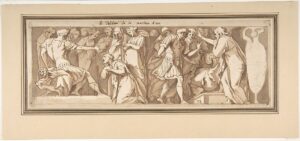 Behind the scenes, the Florentine Camerata – a circle of poets, musicians, and scholars – had been experimenting for years. They believed that the grandeur of ancient Greek drama could be revived by blending music and poetry into a single expressive art form. Peri, along with librettist Ottavio Rinuccini, turned this vision into reality.

