Impostazioni Privacy
Scegli quali cookie vuoi autorizzare.
Puoi cambiare queste impostazioni in qualsiasi momento. Tuttavia, questo potrebbe risultare alla susseguente non-disponibilità di alcune funzioni. Per informazioni sull’eliminazione dei cookie, consulta la funzione aiuto del tuo browser.
Ulteriori informazioni sui cookie che utilizziamo.
Con lo slider, puoi abilitare o disabilitare vari tipi di cookie:
Questo sito farà:
- Essenziale: ricorda l'impostazione dei permessi dei cookie
- Essenziale: consentire i cookie di sessione
- Essenziale: raccogli informazioni che inserisci in moduli di contatto, newsletter e altri moduli in tutte le pagine
- Essenziale: tieni traccia di ciò che hai inserito in un carrello della spesa
- Essenziale: autenticare che si è connessi al proprio account utente
- Essenziale: ricorda la versione della lingua selezionata
Questo sito Web non:
- Ricorda i tuoi dati di accesso
- Funzionalità: ricorda le impostazioni dei social media
- Funzionalità: ricorda regione e paese selezionati
- Analytics: tieni traccia delle pagine visitate e delle interazioni intraprese
- Analytics: tieni traccia della tua posizione e regione in base al tuo numero IP
- Analytics: tieni traccia del tempo trascorso su ogni pagina
- Analytics: aumentare la qualità dei dati delle funzioni statistiche
- Pubblicità: adattare le informazioni e la pubblicità ai tuoi interessi in base ad es. il contenuto che hai visitato prima. (Al momento non utilizziamo i cookie di targeting o targeting .
- Pubblicità: raccogliere informazioni personali identificabili come nome e posizione
Questo sito farà:
- Essenziale: ricorda l'impostazione dei permessi dei cookie
- Essenziale: consentire i cookie di sessione
- Essenziale: raccogli informazioni che inserisci in moduli di contatto, newsletter e altri moduli in tutte le pagine
- Essenziale: tieni traccia di ciò che hai inserito in un carrello della spesa
- Essenziale: autenticare che si è connessi al proprio account utente
- Essenziale: ricorda la versione della lingua selezionata
- Funzionalità: ricorda le impostazioni dei social media
- Funzionalità: ricorda regione e paese selezionati
Questo sito Web non:
- Ricorda i tuoi dati di accesso
- Analytics: tieni traccia delle pagine visitate e delle interazioni intraprese
- Analytics: tieni traccia della tua posizione e regione in base al tuo numero IP
- Analytics: tieni traccia del tempo trascorso su ogni pagina
- Analytics: aumentare la qualità dei dati delle funzioni statistiche
- Pubblicità: adattare le informazioni e la pubblicità ai tuoi interessi in base ad es. il contenuto che hai visitato prima. (Al momento non utilizziamo i cookie di targeting o targeting .
- Pubblicità: raccogliere informazioni personali identificabili come nome e posizione
Questo sito farà:
- Essenziale: ricorda l'impostazione dei permessi dei cookie
- Essenziale: consentire i cookie di sessione
- Essenziale: raccogli informazioni che inserisci in moduli di contatto, newsletter e altri moduli in tutte le pagine
- Essenziale: tieni traccia di ciò che hai inserito in un carrello della spesa
- Essenziale: autenticare che si è connessi al proprio account utente
- Essenziale: ricorda la versione della lingua selezionata
- Funzionalità: Ricorda impostazioni di social media Funzionalità: Ricorda regione e paese selezionati
- Analytics: tieni traccia delle pagine visitate e delle interazioni intraprese
- Analytics: tieni traccia della tua posizione e regione in base al tuo numero IP
- Analytics: tieni traccia del tempo trascorso su ogni pagina
- Analytics: aumentare la qualità dei dati delle funzioni statistiche
Questo sito Web non:
- Ricorda i tuoi dati di accesso
- Pubblicità: utilizzare le informazioni per la pubblicità su misura con terze parti
- Pubblicità: consente di connettersi ai siti sociali
- Pubblicità: identifica il dispositivo che stai utilizzando
- Pubblicità: raccogliere informazioni personali identificabili come nome e posizione
Questo sito farà:
- Essenziale: ricorda l'impostazione dei permessi dei cookie
- Essenziale: consentire i cookie di sessione
- Essenziale: raccogli informazioni che inserisci in moduli di contatto, newsletter e altri moduli in tutte le pagine
- Essenziale: tieni traccia di ciò che hai inserito in un carrello della spesa
- Essenziale: autenticare che si è connessi al proprio account utente
- Essenziale: ricorda la versione della lingua selezionata
- Funzionalità: Ricorda impostazioni di social media Funzionalità: Ricorda regione e paese selezionati
- Analytics: tieni traccia delle pagine visitate e delle interazioni intraprese
- Analytics: tieni traccia della tua posizione e regione in base al tuo numero IP
- Analytics: tieni traccia del tempo trascorso su ogni pagina
- Analytics: aumentare la qualità dei dati delle funzioni statistiche
- Pubblicità: utilizzare le informazioni per la pubblicità su misura con terze parti
- Pubblicità: ti consente di collegarti ai siti social. Pubblicità: identifica il dispositivo che stai utilizzando
- Pubblicità: raccogliere informazioni personali identificabili come nome e posizione
Questo sito Web non:
- Ricorda i tuoi dati di accesso
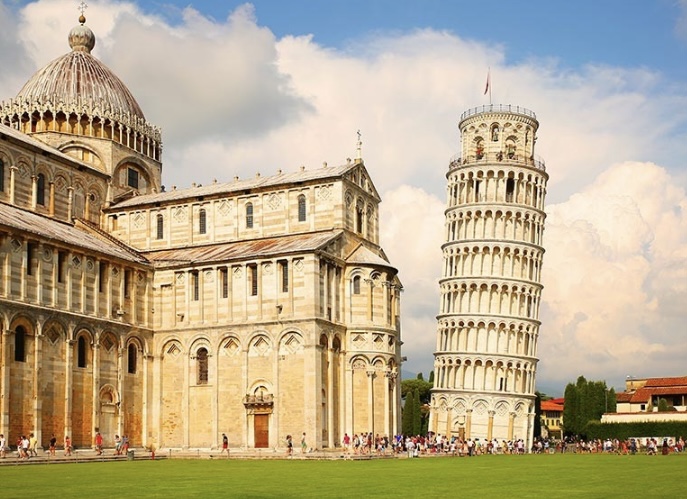
 The story of the Leaning Tower of Pisa begins in 1173, when construction started on Pisa’s bell tower. Almost immediately, the builders noticed something unusual: the tower was sinking into the ground. The reason? The soil beneath Pisa consists of soft clay and sand, unable to support such a heavy structure. Without strong foundations, the tower began to tilt during its early stages of construction.
 In the 20th and early 21st centuries, modern engineers stepped in to stabilize the monument. By carefully removing soil from beneath the tower and installing support systems, they reduced the tilt just enough to keep the Leaning Tower of Pisa safe—without taking away its charming identity. Today, the tower stands proudly, not despite its flaw, but because of it.

