The History of Italian Music: A Journey Between Tradition and Innovation
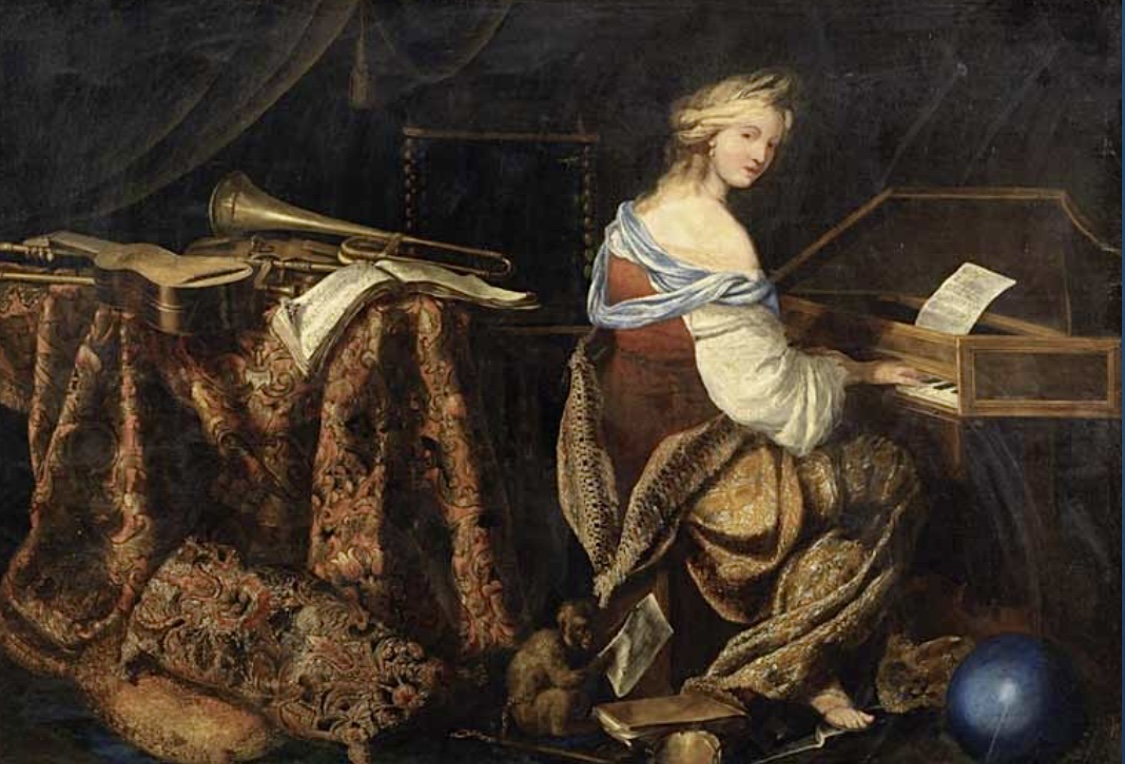
Italy is not only the homeland of art, cuisine, and fashion: it is also one of the countries that has had the greatest influence on world music. From Renaissance courts to modern festivals, Italian music has gone through centuries of change without ever losing its identity.
Music in the Middle Ages
During the Middle Ages, music was mainly connected to religion. Gregorian chant developed in monasteries, becoming a sacred musical form used during religious ceremonies. Italian churches became essential centers for the preservation and spread of music. At the same time, in town squares and noble courts, troubadours and traveling musicians sang stories of love, battles, and historical events, accompanying themselves with simple instruments such as lutes and flutes.
 The Renaissance: Italy at the Center of European Music
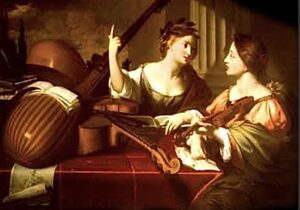
Between the 15th and 16th centuries, Italy experienced one of the most important cultural periods in its history: the Renaissance. Cities such as Florence, Venice, and Rome welcomed artists, painters, and musicians from all over Europe. During this period, music became more refined and complex. In noble courts, madrigals were performed — elegant vocal compositions rich in emotion. Composers such as Giovanni Pierluigi da Palestrina brought sacred music to extraordinary heights, creating harmonies that are still considered masterpieces today.
The Birth of Opera
At the end of the 16th century, one of the most important artistic inventions in Italian history was born in Florence: opera. The idea was to combine music, theater, and poetry into a single performance. One of the pioneers of this genre was Claudio Monteverdi, who revolutionized the way emotions were expressed through music. His works gave depth to characters and engaged audiences in ways never seen before. Over time, Italian opera spread throughout Europe, and Italian theaters became models imitated everywhere.
 Folk Music and Regional Traditions
Alongside classical music, every Italian region developed unique folk traditions. From Neapolitan songs to Sicilian chants and northern ballads, music became a way to preserve stories and local identities. Songs such as ’O Sole Mio crossed national borders and became famous all over the world.
The Twentieth Century: The Birth of Italian Popular Music
With the arrival of radio and television, Italian music changed dramatically. In the 1950s, the Sanremo Music Festival was created, destined to become the symbol of Italian popular music. Artists such as Domenico Modugno, Mina, and Adriano Celentano introduced a modern and international style while maintaining a strong Italian identity.
Italian Music Today
Today, the Italian music scene is more diverse than ever. Pop, rap, indie, and electronic music coexist with the traditional singer-songwriter style. The history of Italian music is a fascinating journey between innovation and tradition. From the great opera composers to new digital artists, Italy has always been able to reinvent its sound without losing its soul.
If you are interested in learning more about the history of Italian music, take a look at this page and enroll in one of our courses!


